We design and deliver housing that is healthier,
more resilient, and grounded in long-term wellbeing
for people, place, and the environment.
Sustainability
At Kāinga Maha, sustainability is not an add-on. It shapes how we approach development from the outset, from site response and design performance through to construction methods, long-term operating costs, and community wellbeing. We take a holistic view, recognising that environmental, social, and economic outcomes are interconnected, and that stronger results come from considering them together rather than in isolation.
What sustainability
means at Kāinga Maha
We believe sustainable housing should do more than reduce environmental impact. It should support healthier homes, lower long-term costs, stronger communities, and better outcomes for the places people call home, not just at the point of practical completion but across the full life of the asset.
That means thinking beyond minimum compliance and beyond a checklist of features or a rating tool score. It means designing homes that perform well thermally, support indoor air quality and access to daylight, are comfortable and efficient to live in, respond to local context, and contribute positively to community wellbeing over time. It also means making practical decisions about materials, construction, maintenance, and long-term durability so that homes can evolve with changing needs and continue to perform over their entire lifespan.
Sustainability for us also has a social dimension. We are committed to creating environments that support community, safety, and belonging, and to ensuring that the financial benefits of better-performing homes flow through to residents, not just to development balance sheets.
We know these priorities do not always sit neatly together. Good development requires honestly balancing environmental performance, resident wellbeing, financial sustainability, and long-term community value. We do not treat sustainability as a simple add-on but embed it in the fundamentals of how we approach every project and we are honest with clients about where trade-offs exist and how to navigate them.
Designing for healthier, lower-carbon homes
Our approach starts early. The best sustainability outcomes are shaped at the beginning of the design process, when decisions about building form, orientation, shading, ventilation, envelope performance, and materials have the greatest influence on how a home will perform across its entire lifespan, and on the health, comfort, and financial wellbeing of the people who live in it.
In practice, that means prioritising:
passive design and solar orientation
thermal comfort in winter and summer
good ventilation and indoor air quality
careful management of overheating risk
efficient building envelopes and reduced heating load
lower-carbon material choices and reduced embodied emissions
durable, practical solutions that support long-term performance and can respond to changing needs over time
We focus on getting the fundamentals of building performance right, because insulation, airtightness, ventilation, glazing, detailing, and moisture control all have a major influence on comfort, health, energy use, and ongoing affordability for the people who live in these homes. Thoughtful, well-executed design at this level does not require a high budget; it requires discipline, early integration, and a genuine commitment to outcomes over appearances.
Homestar & verified performance
Homestar is a key part of how Kāinga Maha approaches sustainability. Developed and administered by the New Zealand Green Building Council of which Kāinga Maha is a member, Homestar provides an independent and structured basis for designing and delivering healthier, more efficient, lower-carbon homes, helping ensure performance is built in from the outset.
All homes target a minimum Homestar 6 certification, because we believe better-performing homes deliver better long-term outcomes for residents and for the organisations that develop and own them. In practice, that means homes that are warmer, drier, healthier to live in, with better indoor air quality, lower condensation risk, reduced energy and water demand, and lower ongoing household costs.
Homestar also provides a discipline that we value: it requires performance to be designed in, documented, and verified, not assumed. It aligns with our commitment to embedding sustainability in the fundamentals of a project rather than applying it at the edges, and it gives clients, funders, and communities confidence that outcomes have been independently assessed.
We see better-performing homes and stronger, more resilient communities as connected outcomes, not separate goals. Homestar is one of the tools that helps us hold both together.
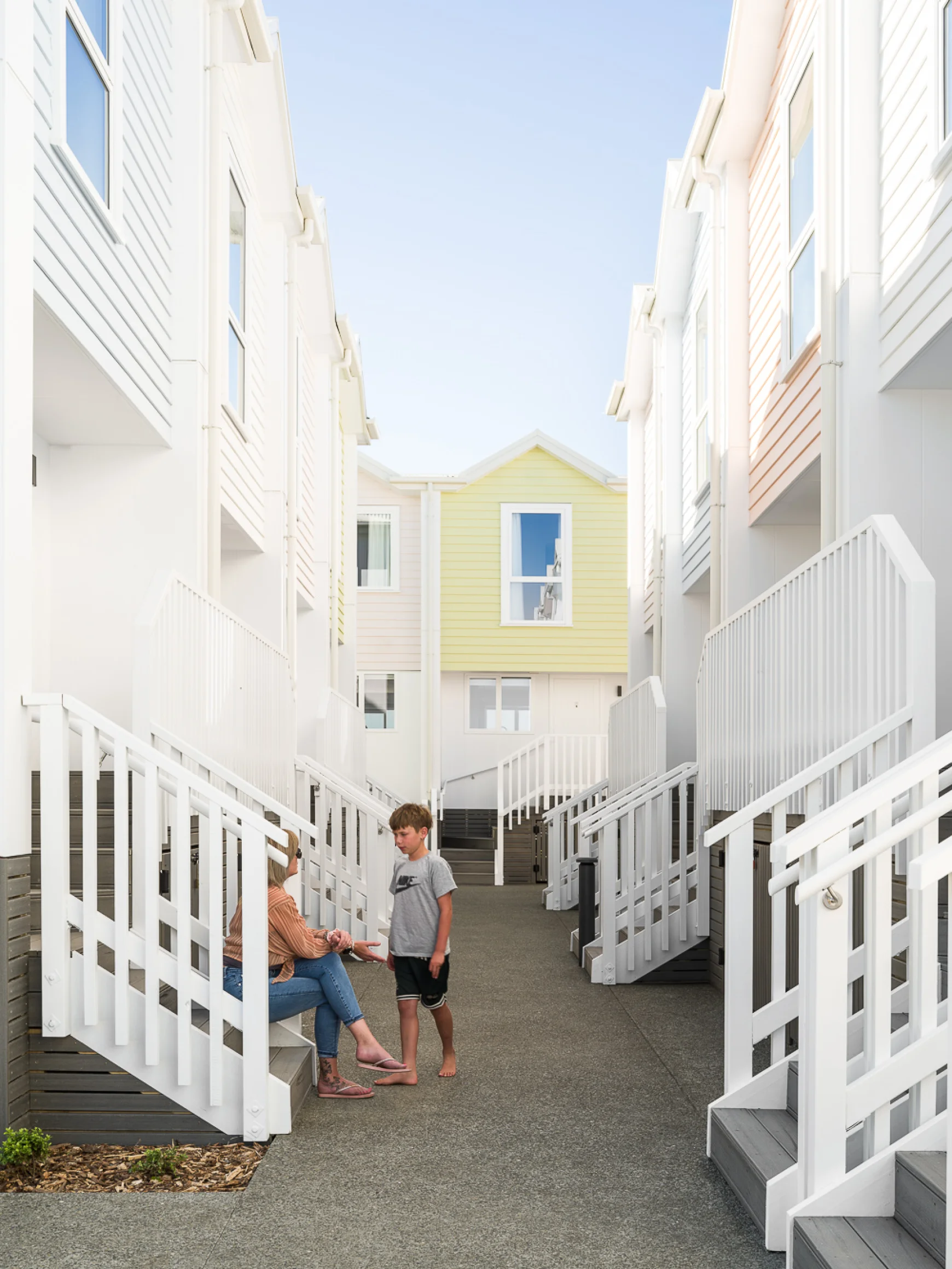
Te Pākau Maru
Homestar 7 homes designed for healthier, lower-carbon living.
Te Pākau Maru shows what sustainability looks like when it is built in from the start. In New Brighton, Kāinga Maha has delivered 63 mixed-tenure homes, every one certified Homestar 7, which means warmer, healthier homes that cost less to run.
Each home has heat recovery ventilation and EV charging capability, durable low-impact materials, and structure engineered for future climate conditions. Homes are expected to use around 34% less electricity. Early monitoring supports this, with an average indoor temperature of 20.1°C, relative humidity of 51% and CO₂ at 575 ppm, all within healthy ranges.
Regenerative & place-based thinking
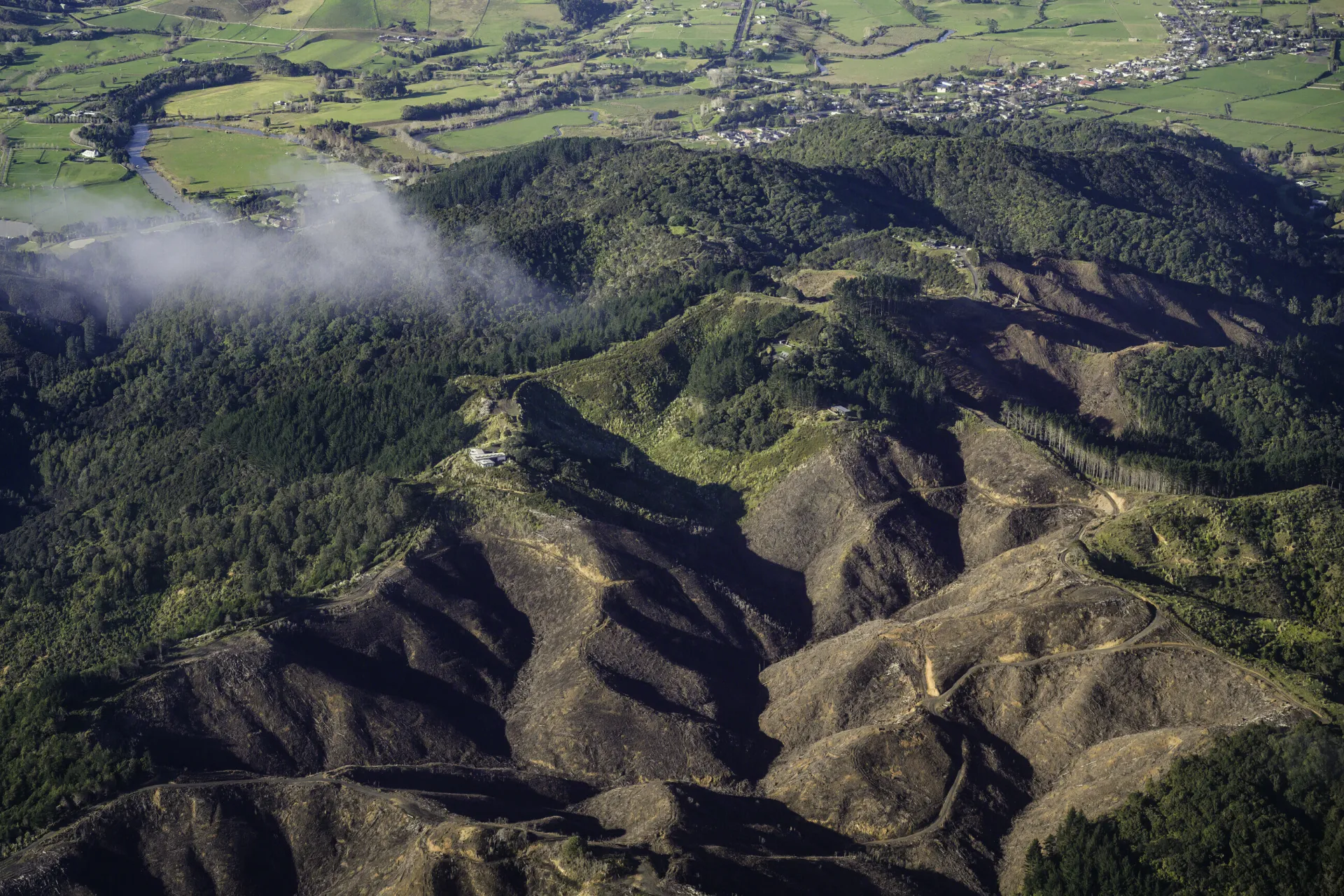
For Kāinga Maha, sustainability is also about how a development relates to place. To whenua, local ecology, neighbourhood context, and the long-term health of the systems around it. That includes listening well to local communities, engaging openly with mana whenua, and responding with care to the cultural, environmental, and social realities of each site. This reflects a broader commitment to stewardship and kaitiakitanga, recognising that good development should honour and care for place over time, not simply occupy it.
Part of that means looking backward as well as forward: understanding the history and ecology of a place, the stories held in the land, and what has been lost or diminished over time. From that foundation, we look ahead to how the whenua will be stewarded ongoing, with the aspiration that the ecological health and biodiversity of a site increases over time, not just preserved.
In practice, that can mean strengthening biodiversity through native planting suited to site conditions, supporting water-sensitive design, working with natural patterns of sun, wind, and drainage, and creating landscapes that are better connected to their surroundings. Where a site includes a wetland or waterway, we look for opportunities to restore and enhance it, creating conditions for birds, insects, and native species to return and thrive. Where there is contamination, we ask whether remediation is achievable and what that could unlock for the long-term health of the place. These decisions are always weighed carefully against project costs, but the aspiration shapes how we approach every site from the outset.
We also look for ways to create meaningful connections to green space, beauty, and the stories of place because developments that are grounded in their context, and that give people a genuine sense of belonging to somewhere, tend to foster stronger communities and longer-term wellbeing.
Rather than treating these as add-ons, we see them as part of the underlying structure of a place. We help to create developments that are not only efficient, but more restorative, enduring, and grounded in their context, with meaningful connections to green space, beauty, and wellbeing.
“As a single mum, it’s been amazing knowing exactly what I’m paying and that I can meet those weekly payments. It’s given me real peace of mind and more time with the girls. The house is super warm, super dry, and affordable. Every morning they run in and jump on the bed for a cuddle. It’s the perfect place for us and it really feels like a supportive little community.”
Climate resilience & long-term liveability
Sustainability also needs to be practical. Kāinga Maha considers how developments will perform over time in a changing climate, how water moves across a site, how people will travel, and how shared environments can support long-term liveability. While the building code sets a 50-year life, the reality is that well-built homes often endure for much longer.
We think about the developments we create as part of the future infrastructure of our towns and cities, with decisions made for today about design, materials, infrastructure and layout will shape how these places will endure and perform over decades to come.
Depending on the project, this can include:
low-impact stormwater strategies such as rain gardens, swales, permeable surfaces, and water-smart planting
flood-resilient design responses that account for changing rainfall patterns and increasing weather intensity
walkable layouts and stronger connections to local amenity, public transport, and community services
cycle access and active travel routes
future-proofing for EV charging and evolving energy infrastructure
shared green and play areas, and lower maintenance private yards
practical waste and recycling strategies
The aim is not to add complexity for its own sake, but to embed resilient, workable systems that improve environmental performance, reduce long-term operating costs and support the everyday experience over time.
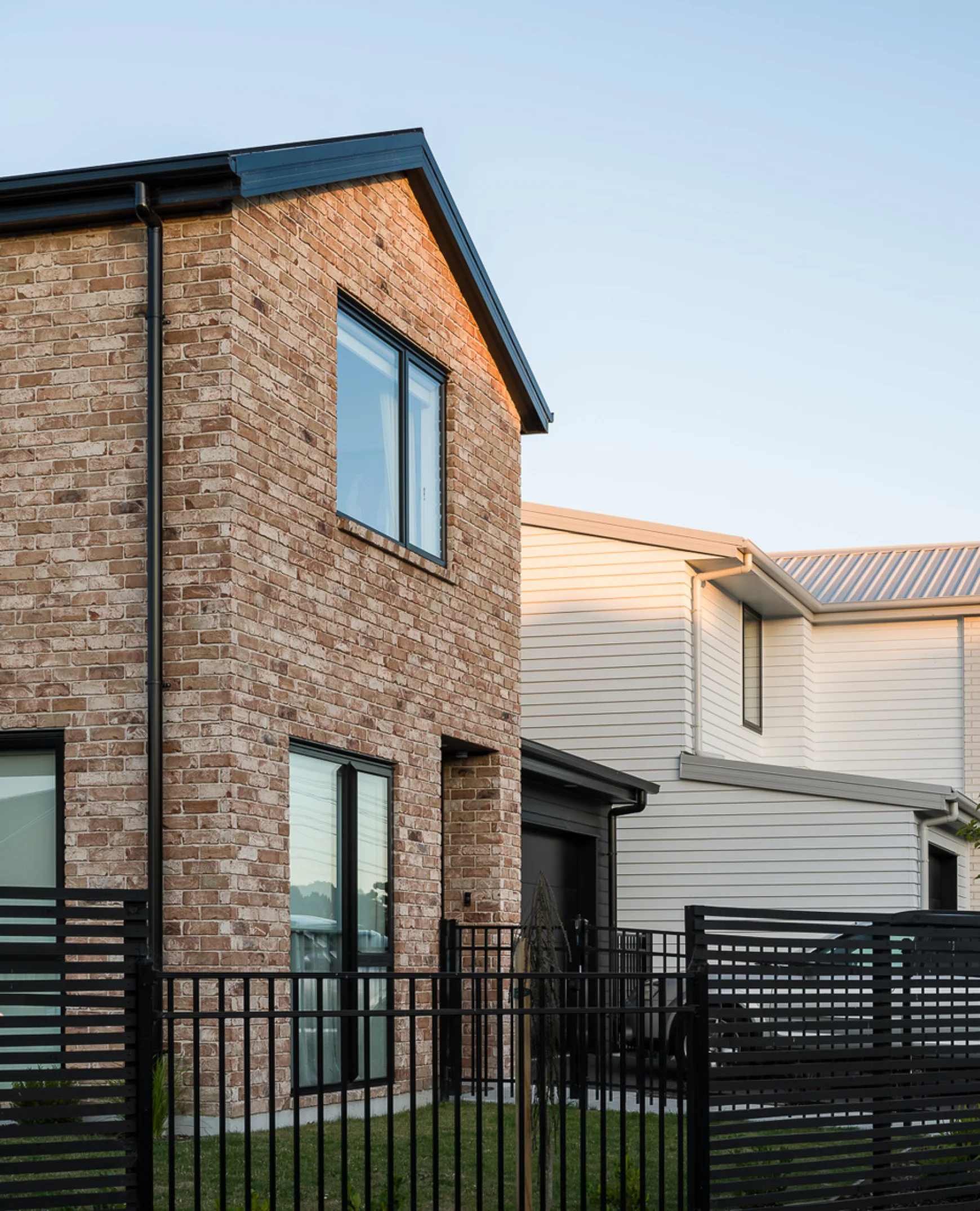
The Residences at Karamū
A mixed-tenure development where sustainability and community stability go hand in hand.
The Residences at Karamū shows that strong environmental performance and affordability can sit together. The development delivers 84 mixed-tenure homes certified to Homestar 6 and 7, making them healthier, more comfortable and cheaper to run. Homes are expected to use around 23–34% less electricity.
Sustainability extends beyond the homes. The project offset 501 tonnes of CO₂e through verified international credits and native planting in Canterbury, making it climate positive. Blind-tenure design and a mixed community model support long-term neighbourhood stability and a stronger sense of belonging.
Measuring, monitoring, and improving
We see sustainability as an ongoing commitment, not a fixed outcome. That means using data, performance tools, and lived experience to keep improving how we design, build, and deliver housing over time. Our approach includes monitoring building performance, reviewing outcomes after completion, and using those insights to inform future projects.
In some developments, this also includes tools such as Tether to track energy use, indoor environmental quality, and how homes are performing in everyday life. Early in-home monitoring at Te Pākau Maru, for example, has shown strong indoor conditions, with an average indoor temperature of 20.1°C, relative humidity of 51%, and CO₂ levels of 575 ppm, all well within healthy target ranges.
This kind of feedback helps turn sustainability from intention into evidence, supporting better decisions, stronger performance, and continual improvement across the work we do.
Let's create housing with long-term value for people, place, and the planet.
Kāinga Maha works with partners across Aotearoa to design and deliver housing that is healthier, more resilient, and grounded in long-term wellbeing.